Common Problems With Cheap Shower Hinges and How to Avoid Them
Choosing shower hardware based on price alone can lead to serious long-term issues. While low-cost hinges may look acceptable at first glance, they often fail to meet essential performance, safety, and durability expectations. Understanding the most common cheap shower hinges problems helps designers, contractors, and buyers avoid costly repairs and compromised user experiences.
Why Shower Hinge Quality Matters More Than You Think
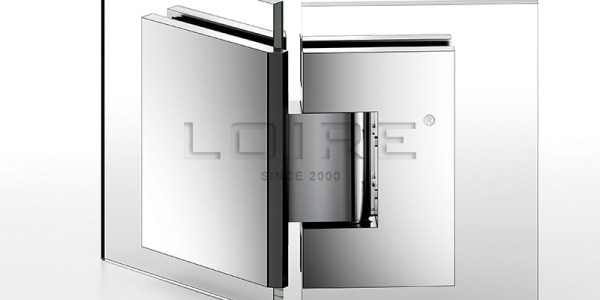
Shower hinges are critical load-bearing components that support heavy glass panels while enabling smooth and controlled movement. In frameless installations especially, the entire stability of the enclosure depends on hinge performance. Many cheap shower hinges problems stem from poor material choices, loose internal tolerances, and minimal testing, all of which lead to common shower hinge quality issues that affect safety, durability, and user experience.
Problem 1 — Shower Door Sagging Over Time
What Causes Shower Door Sagging
One of the most common issues associated with cheap shower hinges is shower door sagging. This problem typically occurs when hinges lack sufficient load-bearing capacity or are manufactured with weak internal structures. Over time, gravity and repeated use cause the door to drop slightly, leading to misalignment with the wall or floor and increased stress on the glass.
How to Avoid It
Preventing sagging begins with selecting hinges engineered for the correct glass thickness and door weight. Precision-machined hinges with reinforced pivot mechanisms maintain alignment even after years of daily use. The best shower door hinges are tested to resist deformation and ensure long-term stability.
Problem 2 — Uneven Clamping Pressure and Glass Stress
Hidden Risks Behind Low-Cost Designs
Many cheap shower hinges rely on poorly designed clamping systems that apply uneven pressure to the glass surface. This imbalance creates concentrated stress points that weaken the glass over time. In extreme cases, this can result in cracking or sudden breakage, posing serious safety risks.
How to Avoid It
High-quality hinges distribute clamping force evenly across the glass, reducing stress and improving safety. Precision tolerances, protective gaskets, and engineered contact surfaces help preserve the integrity of tempered glass. These features are essential in avoiding hidden shower hinge quality issues that compromise enclosure safety.
Problem 3 — Premature Wear and Loose Movement
When Hinges Lose Their Precision
Inferior materials and poor internal construction often cause cheap hinges to wear out prematurely. As internal components degrade, doors may wobble, squeak, or feel loose during operation. This loss of precision negatively impacts both functionality and perceived quality.
How to Ensure Long-Term Smooth Operation
The best shower door hinges are made from solid brass or high-grade stainless steel and designed to withstand thousands of opening and closing cycles. Precision engineering minimizes friction and internal wear, ensuring consistent, smooth movement throughout the product’s lifespan.
Problem 4 — Corrosion and Surface Degradation
Moisture Exposure Reveals Material Weakness
Bathrooms expose hardware to constant moisture, steam, and temperature changes. Cheap hinges often lack adequate corrosion protection, leading to rust, discoloration, and peeling finishes. These problems not only affect appearance but also weaken structural performance.
How Corrosion-Resistant Hinges Perform Better
Corrosion-resistant shower hardware uses materials and finishes specifically designed for wet environments. Solid brass construction, combined with high-quality surface treatments, protects hinges from oxidation and extends service life while maintaining a clean, premium appearance.
Problem 5: Inconsistent Closing and Poor Door Control
How Poor Engineering Affects Daily Use
Low-quality hinges frequently lack precise angle control, resulting in doors that swing unpredictably, fail to close properly, or slam shut. These usability issues can lead to water leakage, increased wear, and reduced safety during daily use.
How Precision Hinges Improve User Experience
Well-designed hinges provide controlled movement and consistent closing angles. Stable pivot systems allow the door to move smoothly and predictably, improving comfort and reducing stress on both the hinge and glass.
Problem 6: Installation Difficulties and Limited Adjustability
Why Cheap Hinges Complicate Installation
Walls and floors are rarely perfectly level, yet many low-cost hinges offer no tolerance for adjustment. Installers are forced to work around misalignment, often resulting in poor fit, uneven gaps, and compromised performance.
Why Adjustable Hinges Deliver Better Results
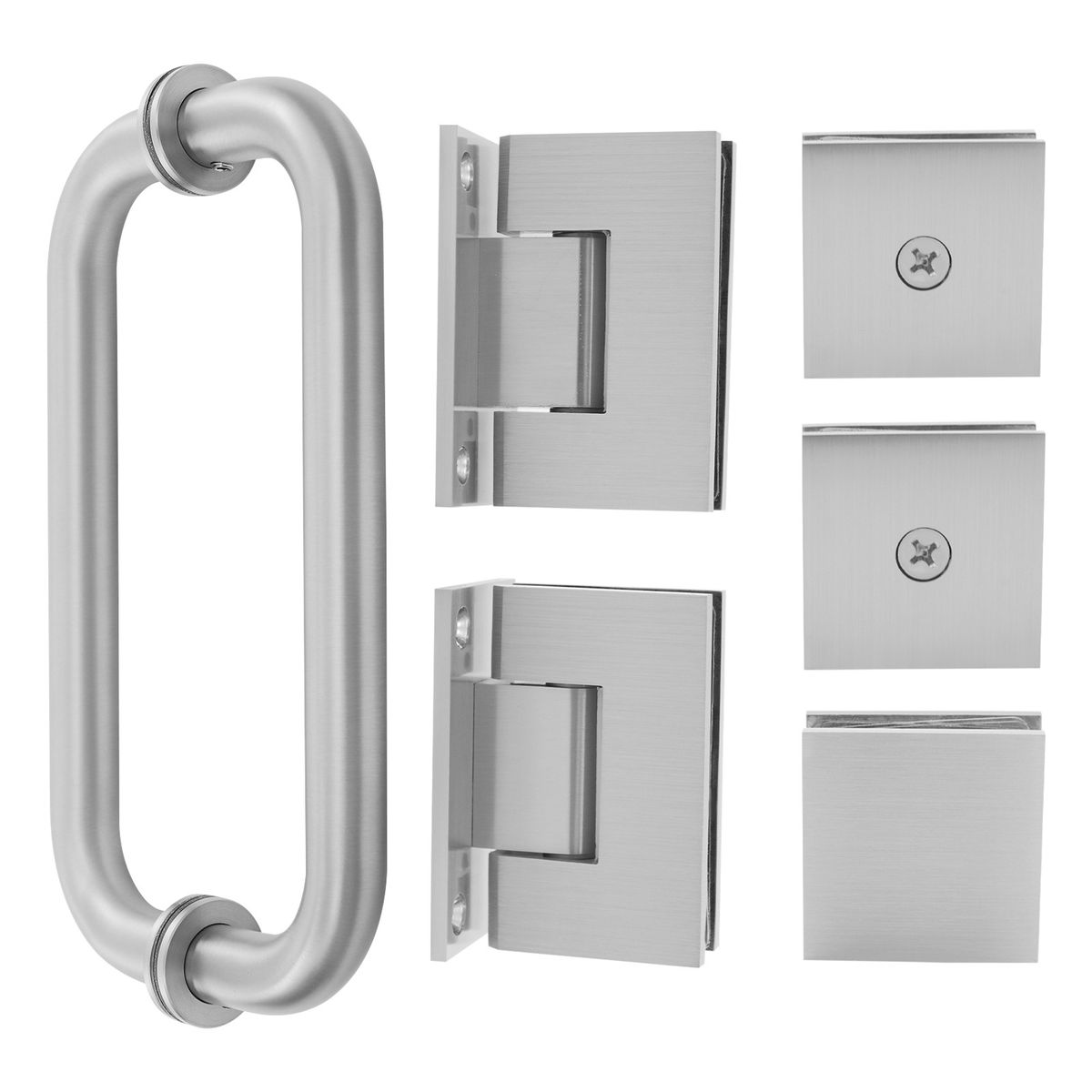
High-quality hinges are designed with real-world installation conditions in mind. Adjustable features allow fine-tuning during installation, reducing errors and ensuring proper alignment. This flexibility is a defining feature of the best shower door hinges for professional projects.
Final Thoughts: Quality Hinges Are a Long-Term Investment
While cheap shower hinges problems may seem minor at first, they often lead to costly repairs, safety risks, and customer dissatisfaction. From shower door sagging to corrosion and poor usability, low-quality hinges undermine the entire enclosure system. Choosing well-engineered, corrosion-resistant, and precisely manufactured hinges is not just a design decision—it is an investment in safety, performance, and long-term value.